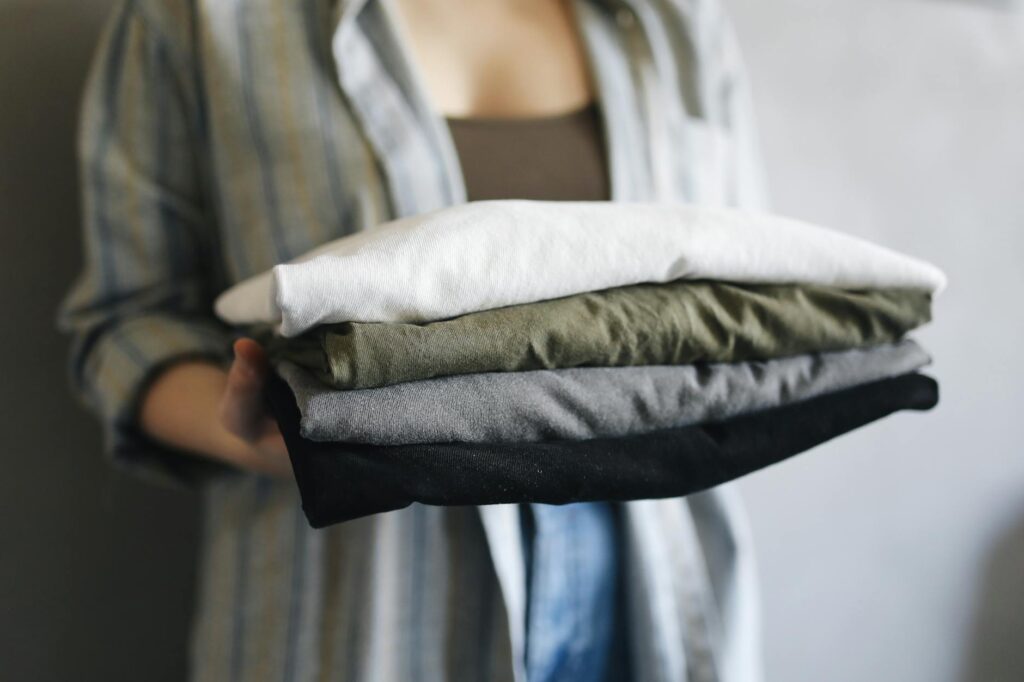
All procurement managers have experienced the unpleasant sensation of an unsatisfactory apparel purchase. You distribute new uniforms to your team on Monday. They look professional. But by Friday—after a wash or two—the sleeves ride up and the hems distort. The custom apparel industry faces a frequent inquiry about dimensional stability: does polyester shrink, or is this strictly a cotton problem?
Organizations need to select fabrics through a process that balances unit price with total lifecycle cost. A wholesale clothing supplier should provide gear that maintains its shape after repeated industrial laundering. The following guide explains how fibers stay stable and compares polyester fabric against natural alternatives.
At a Glance: The Stability Cheat Sheet
Don’t have time for the polymer science? Here is the quick answer on fabric stability.
- Polyester is hydrophobic. As a synthetic fiber, it resists water absorption, meaning it does not swell and shrink like natural fibers.
- Cotton naturally shrinks. Unless it is labeled “preshrunk,” cotton contracts when exposed to heat and moisture as the fibers relax.
- Heat is the enemy. While water doesn’t hurt it, polyester is heat-sensitive. High dryer settings can warp or melt the plastic fibers.
- Blends offer balance. A 50/50 blend protects the garment structure using polyester’s durability while preserving cotton’s softness.
- Print matters. Fabric stability determines how your logo appears over time; shrinkage causes logo distortion which affects your brand identity.
The Short Answer: Does Polyester Shrink?
Generally, no. The stability of polyester fabric remains high when washing occurs under typical conditions. The hydrophobic nature of polyester distinguishes it from natural fibers because it does not absorb water to the core. It repels moisture. This means the fibers do not undergo the swelling and rapid contraction during the wash cycle that causes shrinking in organic materials.
However, there is an exception. Polyester is a thermoplastic. The material shows heat sensitivity. The fabric will experience deformation when you wash polyester in scalding water or run it through a commercial dryer at maximum heat. The material experiences a chain relaxation which results in a warping effect instead of traditional size reduction. But for 99% of daily use, it maintains its original dimensions.
Polyester vs. Cotton: The Stability Battle
The selection process for staff uniforms requires knowledge about the distinct physical characteristics of these two options. For a deeper dive into fiber comparisons, you can also review our guide on modal vs cotton.
Why Cotton Shrinks
Cotton fibers function like sponges in their natural state. They absorb water, which causes them to swell. During manufacturing, cotton is spun under tension. When wet and heated, these fibers release that tension and attempt to regain their natural curly shape. This results in the garment becoming smaller. Even “preshrunk” cotton products may decrease by a minimal amount (often 3-5%) during their lifespan.
Why Polyester Holds On
Polyester is synthetic. It is essentially fine strands of plastic spun into yarn. Because it doesn’t absorb moisture, the mechanical agitation of a washing machine has little effect on its structure. The 100% polyester shirt you purchased today will likely maintain its exact dimensions a year from now, provided it is stored and washed correctly.
The Numbers Game
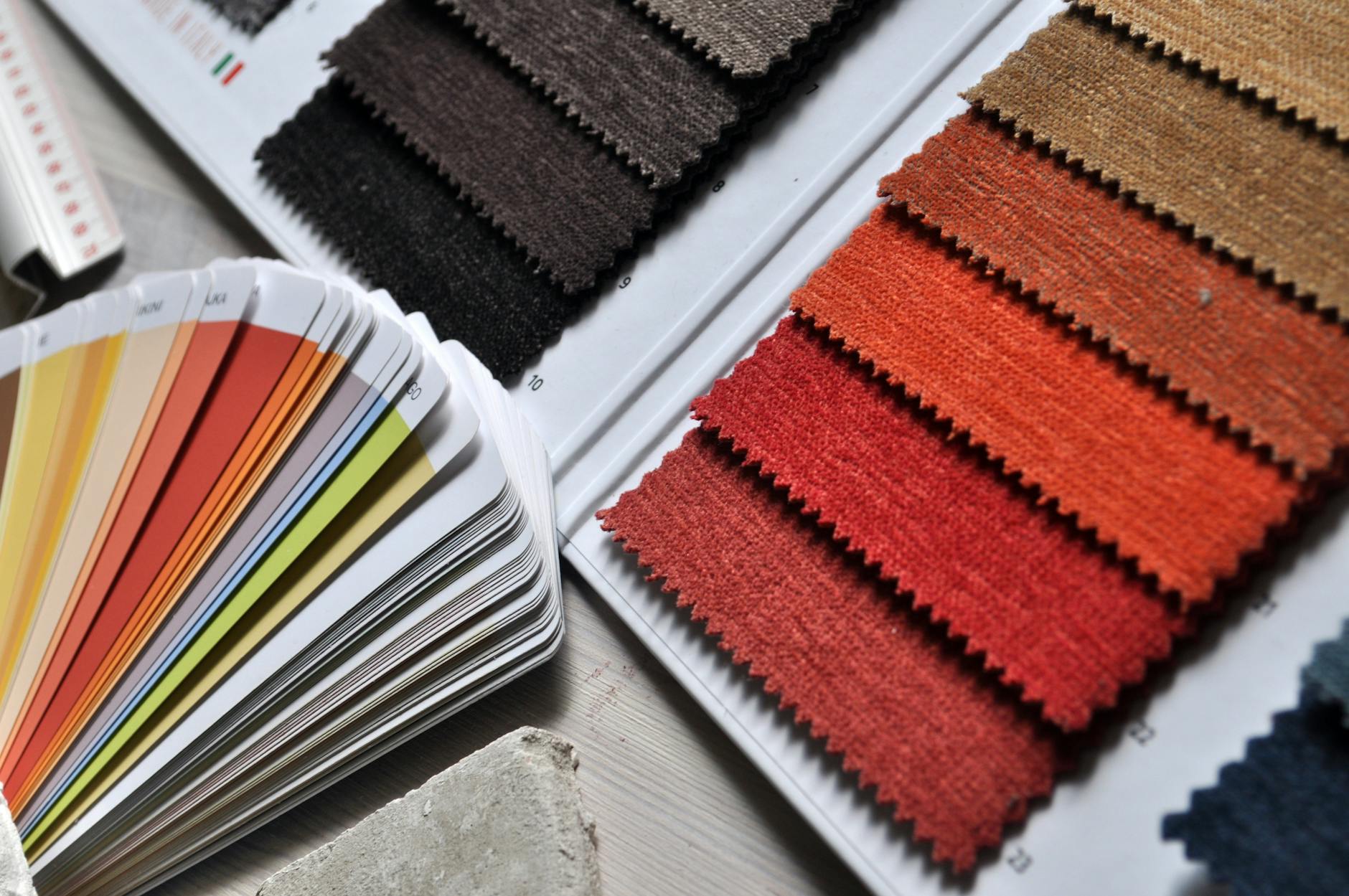
Industry tests typically show distinct results for dimensional stability. According to standards like AATCC TM135 (Dimensional Changes of Fabrics after Home Laundering), untreated cotton can shrink significantly. High-quality cloth polyester, conversely, shows negligible change—often less than 1%. This consistency makes synthetics the preferred choice for athletic teams and industrial workforces.
The “Cloth Polyester” Nuance
The trade uses two main terms: “spun poly” and “cloth polyester.” These refer to polyester that is treated to feel like cotton rather than slick athletic wear. Does this finish introduce shrinkage risks?
Not really. The basic chemical structure remains consistent. The polymer backbone serves as a water-resistant framework which protects the material from shrinking. These products perform well in heavy-duty rotation programs where staff members perform their own laundry.
Tradeoffs and Risks for Bulk Buyers
Stability provides excellent benefits, but it does not represent the complete picture. You need to assess all potential outcomes before replacing your complete product range with 100% polyester.
1. The Heat Ceiling
Polyester maintains its size, but it will melt when exposed to extreme heat. Teams face dangerous conditions when working in hot environments like commercial kitchens or welding facilities. According to OSHA PPE guidelines, synthetic fabrics can melt and fuse to skin if exposed to flash heat or arc flashes. In these cases, the shrinkage risk of cotton is the lesser of two evils.
2. Odor Retention
Synthetics are oleophilic (oil-loving). While they repel water, they attract body oils and odors. A polyester shirt keeps its shape perfectly but requires better cleaning techniques to prevent lingering smells. Some buyers now look for sustainable fabrics or treated synthetics that manage odor better.
3. The Compromise: Blends
The combination of poly stability with cotton-like sensation exists in blends. The 50/50 and tri-blend shirts use polyester for structural support to maintain shape, while cotton adds breathability. This is often the “Goldilocks” zone for corporate merch.
Common Pitfalls: How to Ruin a Poly Shirt
The strong material of polyester remains vulnerable to heat damage. If you are handing out care instructions with your employee kits, make sure to include these warnings.
- Don’t boil it. Washing with scalding hot water can relax the fibers permanently, causing warping.
- Watch the iron. Ironing polyester on a “Cotton” setting results in disaster. It will glaze or melt the fabric instantly.
- Dryer heat. High heat cycles are the most common cause of damage. This generates static electricity and can cause minor distortion in the garment’s fit.
Frequently Asked Questions
- Does polyester shrink more than cotton in the dryer?
- No, cotton is much more likely to shrink in the dryer due to moisture loss and fiber relaxation. Polyester is heat-sensitive and can warp or melt at high temperatures, but it does not shrink from moisture removal like cotton does.
- Can you intentionally shrink a 100% polyester shirt?
- It is very difficult. Because polyester fibers are heat-set during manufacturing, they resist shrinking significantly. You are more likely to damage, glaze, or melt the fabric with high heat than to achieve a clean, smaller fit.
- Does a 50% cotton 50% polyester blend shrink?
- It shrinks significantly less than 100% cotton. The polyester fibers act as a stabilizer, holding the garment’s shape. You might see very minor shrinkage, but it is usually unnoticeable compared to pure cotton garments.
- What is the best wash setting for polyester uniforms?
- Use cool or warm water and a low-heat tumble dry setting. High heat is the main risk for polyester, as it can cause static cling and potential fiber distortion.