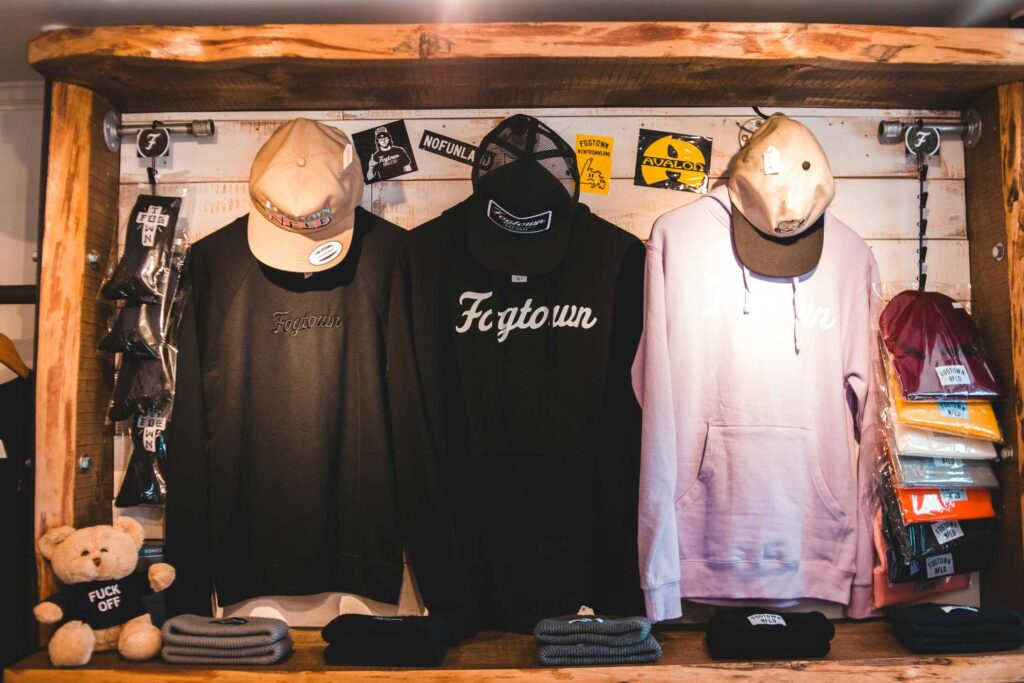
We have all been there. You order a batch of hoodies for your team or brand. They arrive looking decent. But after two washing cycles, the fabric becomes as harsh as sandpaper. The fit gets boxy. The cuffs get loose.
It is a procurement nightmare.
Procurement professionals should disregard brand labels when they need to pick high-end custom hoodies. You need to understand the specs. The secret lies in the GSM, the cotton blend, and the construction method.
This guide provides you with the technical methods to source clothing items your staff members will actually choose to wear.
At a Glance: Identifying Quality
Before diving into the metrics, use this quick checklist to separate premium blanks from promo-grade trash:
- Look for Ring-Spun Cotton: This yarn is twisted and thinned for softness. The printing results on ring-spun surfaces are superior to those obtained with rough “carded open end” cotton.
- Test the Stretch: Good cuffs should snap back immediately. If they stay stretched out, pass on them.
- Inspect the Hood: A double-layer hood feels substantial and holds its shape. Single-layer hoods usually have a low-quality, flimsy feel to them.
Understanding GSM: The Weight Metric
GSM (Grams per Square Meter) is the universal standard for fabric density. While the US often measures fabric weight in ounces per square yard (oz/yd²), manufacturing facilities operate with GSM. Understanding this number enables you to forecast how the fabric will drape and its warmth level.
For precise testing, labs use ASTM D3776 standards to determine mass per unit area.
Lightweight (Under 250 GSM)
These are often t-shirt hybrids. They provide excellent summer layering but do not provide significant insulation during cold weather. They typically weigh under 7 or 8 oz.
Midweight (250–350 GSM)
This is the standard “promo” weight. A typical 9 oz hoodie falls here. It works well for giveaways and general merchandise. It provides durability for regular use but does not deliver the heavy, structured feel of luxury apparel.
Heavyweight (350–500+ GSM)
This is where premium streetwear lives. These hoodies weigh 10 oz to 14 oz or more. They feel substantial and hold their shape. If you want an expensive-looking custom embroidered hoodie, begin here. The dense stitching of heavy designs is possible because this material maintains its form without wrinkling or puckering.
Material Blends: Cotton vs. Poly
The materials used in fabric production affect more than just the touch. The fiber composition controls shrinkage, pilling, and print vibrancy.
100% Cotton
Purists love it. It is breathable and hypo-allergenic. However, 100% cotton is prone to shrinkage unless pre-shrunk. It can also wrinkle easily. The printing process benefits from this surface because it produces the most even results. If you are comparing softness, you might also explore modal vs cotton for other apparel lines.
Cotton/Poly Blends (80/20 or 50/50)
Polyester adds strength and resistance to both shrinkage and wrinkling. The “CVC” (Chief Value Cotton) blend contains poly fibers which maintain structure but still deliver the comfortable cotton texture. This is the sweet spot for corporate workwear.
Tri-Blends
The fabric consists of three materials: cotton, polyester, and rayon. They are incredibly soft and have a vintage drape, but they are often thinner and less structured.
Construction Details That Matter
Evaluation of construction quality is vital. High fabric weight becomes irrelevant if inadequate construction methods destroy the garment.
Side Seams vs. Tubular
Affordable mass-market hoodies often have a tubular design. The manufacturer creates a large tube through knitting before cutting. There are no side seams. This reduces cost, but the fit is generic and boxy. Premium custom hoodies have side seams. This allows for body-contouring shapes that provide a better fit than tubular clothing.
Ribbing and Cuffs
Feel the cuffs. They need to include spandex or lycra (elastane) as a main component. Pure cotton cuffs will extend beyond their original size and lose their ability to return to shape. Good ribbing is tight and resilient.
How Fabric Choice Affects Your Design
Your artwork needs the right canvas. The texture of the hoodie changes how the ink or thread sits.
For Screen Printing and DTG
High-quality prints for custom hoodies depend on a smooth surface. The material needs to be either 100% ring-spun cotton or a blend with a “100% cotton face.” In these blends, the outer fabric consists of cotton while the inner fleece contains polyester. This gives you the vibrancy of printing on cotton with the durability of a poly-blend.
For Embroidery
Embroidery adds weight. A single large logo requires thousands of stitches. A heavy design applied to a thin 200 GSM hoodie will cause the fabric to pucker, looking messy. Heavyweight fleece (350 GSM or higher) should be used as the base material when working with dense embroidery designs.

Common Pitfalls in Buying Bulk Hoodies
The process of buying bulk apparel has risks. Avoid these frequent mistakes:
- Ignoring Sizing Standards: “Large” varies between brands. Request a size chart in inches.
- Overlooking the Face: The printing face needs to be tightly knit; loose edges or piling will damage your logo design.
- Skipping the Sample: Experience the GSM through your own touch. Always request a blank sample before committing to a full run.
If you are vetting a new vendor, ensure you know how to choose a wholesale supplier that meets compliance standards. Additionally, understand fob and freight terms to know who is liable for goods in transit.
Legal Hygiene
All trademarks are property of their respective owners. This article is informational and implies no affiliation or endorsement. Always consult FTC labeling requirements when manufacturing private label goods.
FAQ
1) What does GSM mean for hoodies?
GSM (grams per square meter) measures fabric density/weight and helps predict drape, warmth, and structure.
2) What GSM is best for premium (streetwear-style) hoodies?
If you want a thicker, structured “premium” feel, start around 350 GSM+ (often “heavyweight”).
3) What’s the difference between ring-spun cotton and open-end cotton?
In general: ring-spun = softer/finer, open-end = more basic/rougher (often used to hit low cost).
4) Will 100% cotton hoodies shrink in bulk orders?
Cotton is more prone to shrinkage, especially with heat. If shrink control matters, ask about pre-shrunk fabric and recommend proper care (cool wash / low heat).
5) What’s the #1 mistake buyers make when sourcing wholesale hoodies?
Skipping samples. Always request a blank sample to feel GSM, check the face (print surface), and confirm sizing before committing.