Material Composition Differences
Modal fabric starts with pulp from beech trees. Manufacturers use chemicals to turn that pulp into strong fibers—it’s high wet modulus (HWM) rayon, tougher than regular rayon. Lenzing Modal fibers.
Cotton grows on bushes. Those fibers are cellulose too, no chemicals needed—just pick, gin, and spin it. Simple process.
Modal drapes smooth with less bulk in seams. Cotton feels crisp. For best fabrics for underwear, modal shines.
Performance Comparison Table
Here’s a side-by-side from industry standards. Use it for your RFQ checklist.
| Property | Modal Fabric | Cotton |
|---|---|---|
| Softness | Silky, like cashmere | Soft but can roughen |
| Breathability | Excellent wicking | Good absorption |
| Durability | High tensile strength | Medium, shrinks easily |
| Wrinkle Resistance | Good | Poor |
| Moisture Management | Wicks 50% faster | Absorbs, slow to dry |
| Cost per yard | $8-12 | $4-8 |
Softness and Comfort
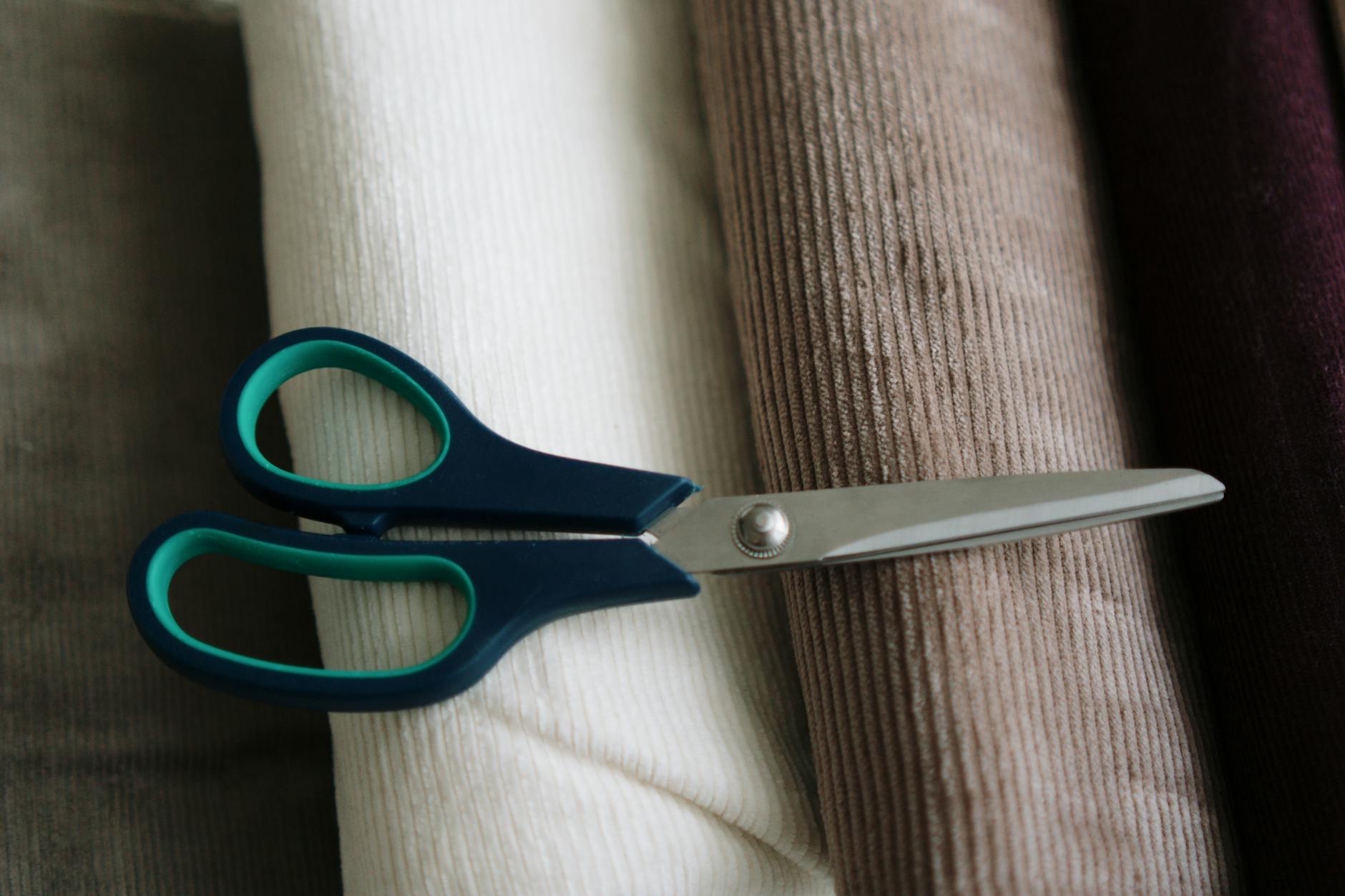
Modal feels silky smooth against skin—no itch, perfect for underwear. Cotton starts soft but pills after washes.
Our team tee customers pick modal for lasting seasons without fading. For sensitive skin, modal has fewer allergens.
Breathability in Hot Weather
In heat, modal pulls sweat away and dries fast. Cotton soaks it up but stays damp.
Modal absorbs more water by weight then releases it quick. Great for custom golf shirts—players stay cool. It excels in humidity.
Colorfastness and Long-Term Maintenance
For bulk orders, color stability across washes is a crucial cost factor. Modal shines here because the dye is absorbed directly into the fiber structure, resulting in excellent colorfastness. Unlike cotton, which can fade and dull over time due to surface-level dyeing, modal retains its vibrant hue even after seasons of laundering. When prototyping (Step 3), the required 10-cycle wash test will show that cotton can shrink 5–10%, while modal shrinks under 3%, maintaining garment integrity for longer. This means less waste and fewer quality control issues for repeat orders.
Sustainability and Uses
Beech trees for modal need way less irrigation—up to 10x less than cotton fields. Processing uses chemicals, but brands like Lenzing minimize them with closed loops. Lenzing sustainability.
Cotton guzzles water—one t-shirt can take 2,700 liters. Both biodegrade, modal faster in soil.
Modal for intimates, pajamas, base layers, activewear. Cotton for tees and towels. Look for Oeko-Tex certs; we track origins on custom orders. Oeko-Tex certification.
The Best of Both Worlds: Modal-Cotton Blends
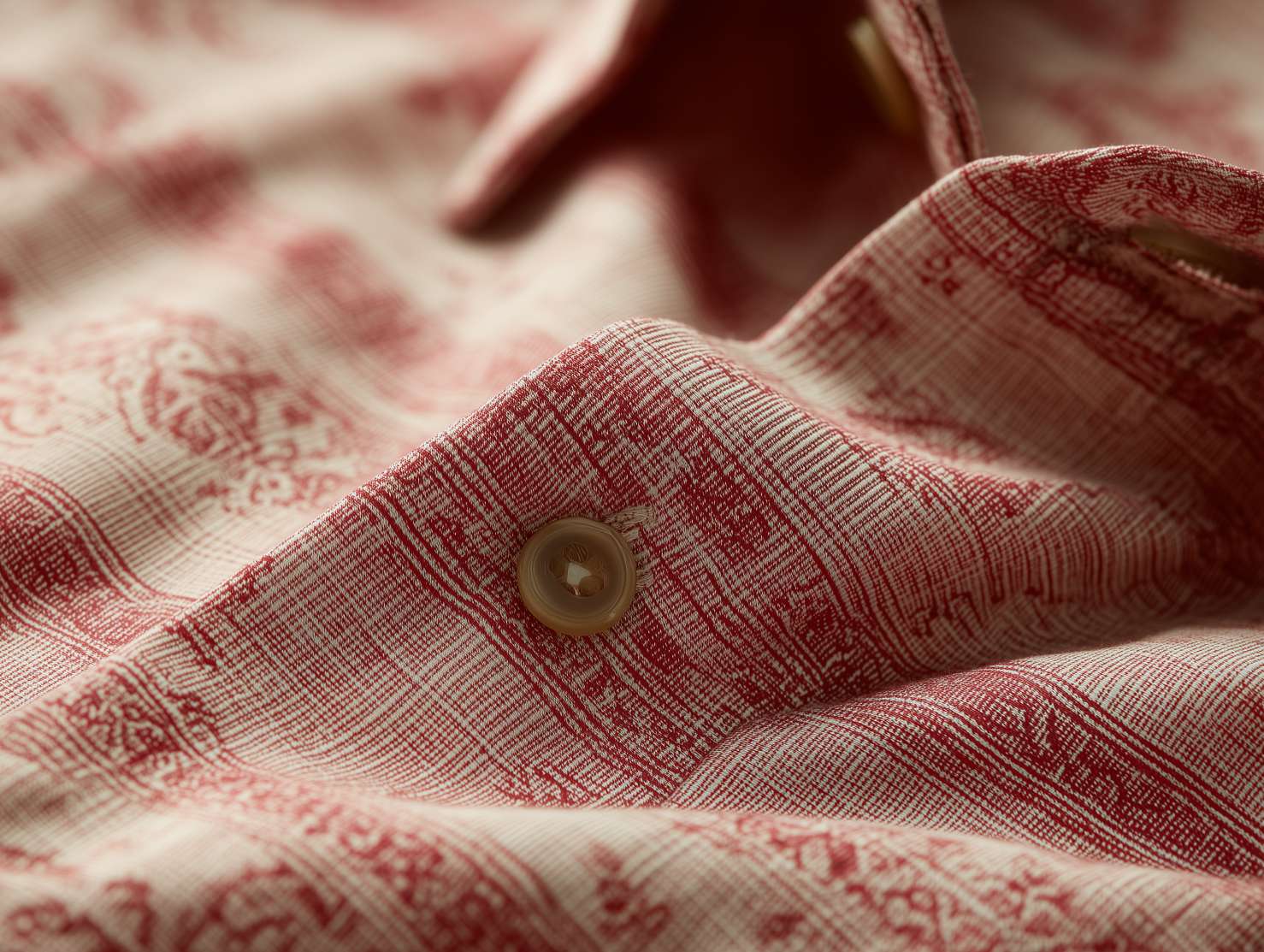
While this comparison focuses on pure Modal versus pure Cotton, textile sourcing frequently utilizes blends. A common strategy involves using a 50/50 Modal-Cotton blend to achieve the best features of both materials. This blend provides the silky drape and superior moisture-wicking of modal, while leveraging cotton’s lower cost per yard ($4–$8 compared to Modal’s $8–$12) and volume availability. Blends are an ideal choice for high-volume custom tees and casual wear where an elevated hand-feel is desired without the full premium cost of 100% Modal.
How to Switch from Cotton to Modal
Step 1: Check specs—prioritize softness and wicking.
Step 2: Request free 2×2-inch swatches (over MOQ).
Step 3: Prototype and wash 10 cycles—modal shrinks under 3%, cotton 5-10%.
Step 4: Order—MOQ 50 units, 4-6 week lead, discounts at 500+. Upload designs online; samples in 7-10 days. See our choose a wholesale supplier guide. OEM procurement guide.
When to Choose Each
- Pick modal for premium feel, performance gear, sensitive skin—boosts repeat buys.
- Go cotton for budget basics, high-volume.
FAQ
Is modal better than cotton? Modal wins on softness, wicking, durability. Cotton edges cost and natural vibe. Pick by use—try samples first.
Is modal good for hot weather? Yes, it wicks faster than cotton, keeps you dry. Ideal for activewear.
Modal fabric vs cotton: key differences? Modal’s semi-synthetic from beech trees—smoother, stronger. Cotton’s natural, absorbent but wrinkles more.
What is modal fabric used for? Underwear, activewear, pajamas. Perfect for custom drape and comfort.
Does modal fabric breathe better than cotton? It wicks better; cotton absorbs more but dries slower. Test in prototypes.