For many years, the fabric maintained a reputation as an inexpensive material that produced a shiny appearance and felt unpleasant against the skin. But textile technology has moved on.
Today, what is polyester? It is the backbone of the global performance wear market. It is the substance responsible for allowing your favorite gym shirt to absorb sweat and ensuring your delivery drivers’ uniforms stay colorfast throughout a month of shifts.
Procurement managers and business owners need to understand this material because it offers specific ROI advantages. Choosing the right polyester blend can eliminate replacement costs and provide a suitable base for your customized branding campaigns.
At a Glance: The Executive Summary
Short on time? The fabric controls the corporate and athletic market because of its superior performance characteristics compared to natural fibers.
- Branding Friendly: It is the primary fabric suitable for dye-sublimation printing, which yields permanent, vibrant logos that do not crack or peel.
- Cost-Efficiency: Generally offers a lower cost per unit and a longer lifespan in industrial wash cycles than pure cotton.
- Heat Sensitivity: The material is thermoplastic. It creates a crisp shape but is sensitive to high heat; you cannot iron it like a dress shirt without risking melting or glazing.
What Is Polyester Exactly?
Polyester is a generalized term for any fabric or textile made using polyester yarns or fibers. The substance exists as a manufactured polymer which scientists create through the combination of purified terephthalic acid (PTA) and monotheluene glycol (MEG).
In plain English? It is a type of plastic.
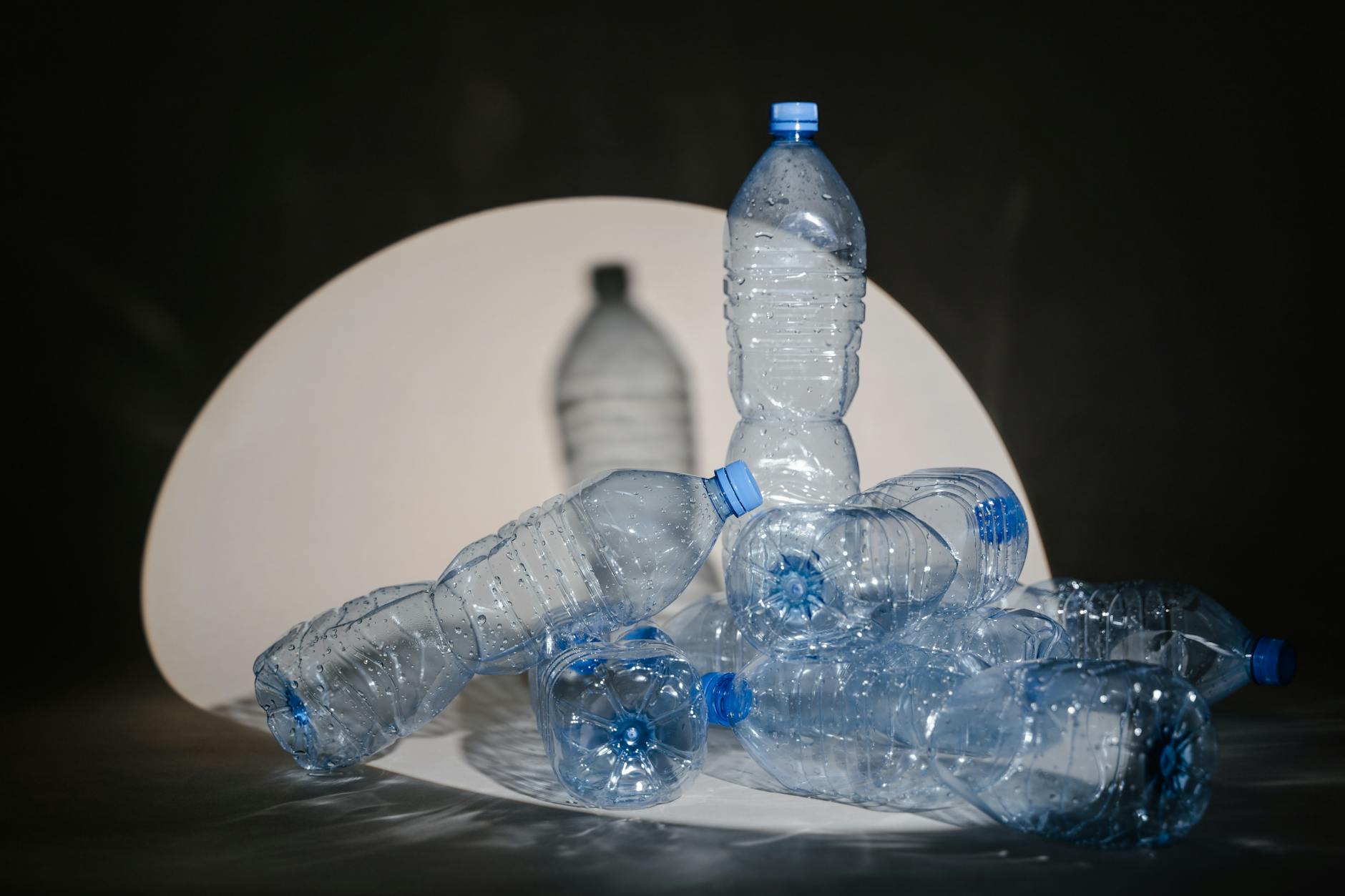
Specifically, most apparel polyester is Polyethylene Terephthalate (PET). The plastic material used to create transparent water bottles serves as the exact same substance. In fact, many modern recycled plastic bottles lines are made by melting down post-consumer waste and spinning it into new fibers (rPET).
Unlike natural fibers like cotton or wool, which are grown and harvested, polyester is extruded. The manufacturing process involves melting plastic pellets and forcing them through small openings in a spinneret device. This produces long filaments that are spun into textile threads.
The “Leisure Suit” Stigma vs. Modern Reality
Why does polyester get a bad rap?
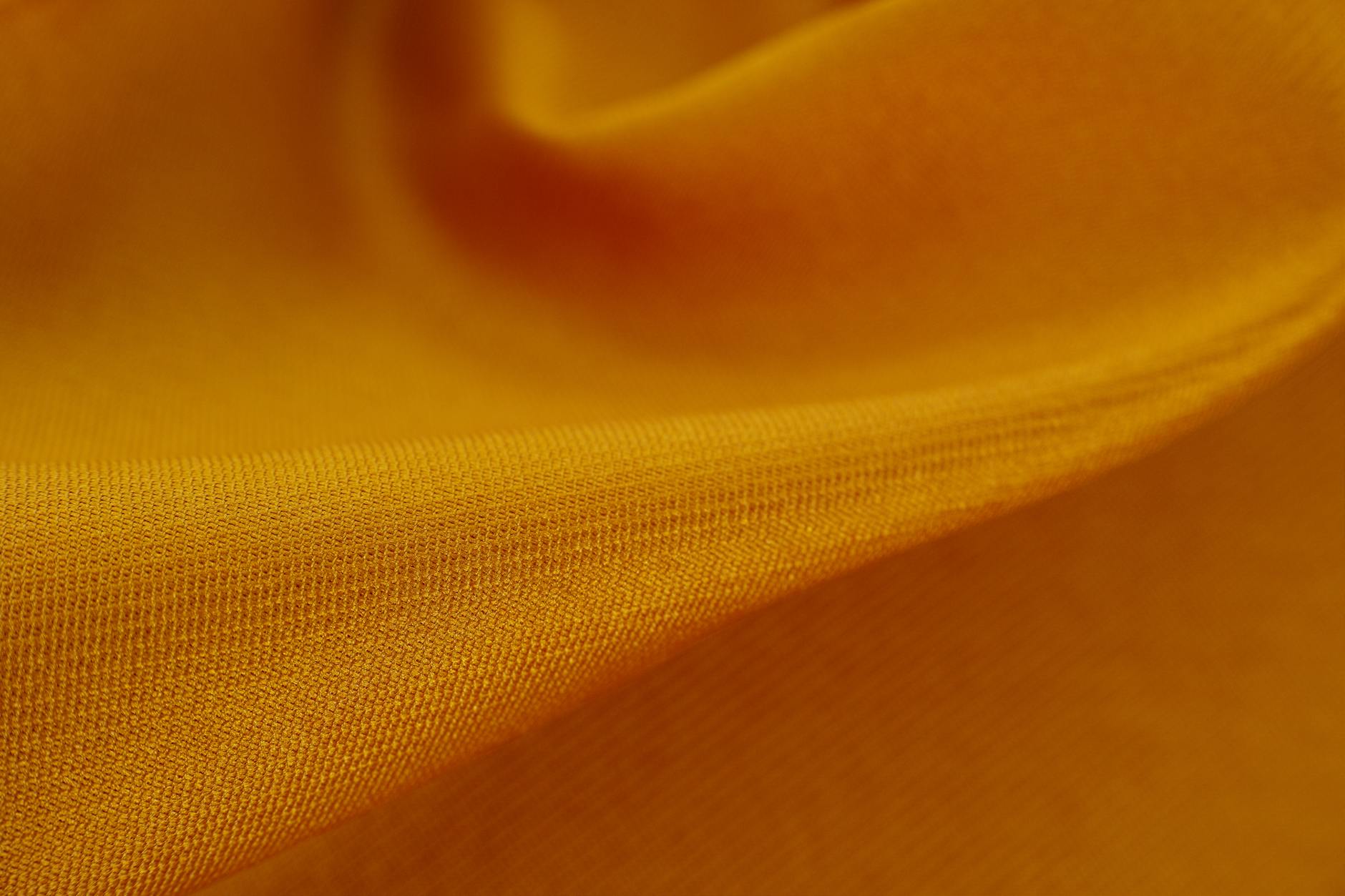
The manufacturing techniques of the 1970s produced thick, double-knit polyester fibers. These materials were incredibly durable, but their round, uniform surface texture made them clammy and warm to the touch. They did not breathe.
Modern engineering has introduced a full-scale transformation. Manufacturers now modify the cross-section shape of the fiber itself. Instead of traditional round solid tubes, modern performance fibers often have jagged edges or hollow centers. These shapes create more surface area, enabling moisture to travel through the fabric channels and evaporate quickly.
A basic plastic poncho differs from an expensive athletic jersey in terms of engineering. Both contain polyester material, but their weave and fiber shape create vastly different performance results.
Key Business Benefits of Polyester Fabric
The success of your operation depends on performance when you need to purchase thousands of units. Here is why polyester is often the standard for uniforms and merchandise.
1. Color Retention
Uniform procurement faces its most significant challenge when materials experience color migration (fading). Cotton dyes sit on the surface of the fiber and wash out over time. Polyester dyes are absorbed into the plastic itself during the manufacturing process. A red polyester polo shirt will likely stay red for years, even after repeated industrial laundering.
2. Structural Integrity
Polyester fabric shows exceptional resistance to damage. It possesses high tensile strength and elasticity, allowing it to snap back into shape after stretching. According to technical data from Textile Exchange, synthetic fibers like polyester now account for the majority of global fiber production due to this durability. The professional appearance of poly uniforms extends longer because they do not bag out at the elbows and knees.
3. Moisture Wicking
Cotton absorbs water like a sponge (hydrophilic). Polyester is naturally hydrophobic—it repels water. Fabric mills achieve “wicking” by weaving these hydrophobic fibers in specific patterns that use capillary action to pull sweat away from the body to the exterior of the shirt. This system delivers safety advantages to outdoor personnel performing duties in summer heat.
Pitfalls: When to Avoid Polyester
While we recommend polyester for many custom performance hats and activewear, it is not a magic bullet. The following tradeoffs exist which you should understand before making your purchase.
- The Smell Factor (Oleophilic): While polyester repels water, it attracts oil (oleophilic). Body oils and deodorants can bind to the fibers. If not washed with warm water and sufficient detergent, these oils oxidize, producing a persistent “gym odor” over time. Anti-microbial treatments help, but they increase the unit price.
- Static Buildup: Because polyester has low moisture regain, it accumulates static electricity, especially in dry environments. This can cause the fabric to cling uncomfortably. For environments involving sensitive electronics, specialized anti-static garments are required.
- Sustainability Optics: Virgin polyester is a petroleum product. Even though it provides durability, a synthetic uniform may clash with a brand message focused on “100% Organic” values. Recycled polyester (rPET) bridges this gap but requires verification.
Common Questions and Misconceptions
We see these questions often from clients comparing fabric swatches.
Does polyester have stretch properties?
The polyester fiber itself is strong and rigid. The stretchability usually depends on the knitting method. A 100% polyester jersey knit (like a t-shirt) has mechanical stretch, but for true elasticity, manufacturers add Elastane (Spandex). High compression gear requires a blend.
Is polyester bad for you?
Generally, no. Polyester is chemically stable and inert. The main concern is skin sensitivity; because it is less breathable than light cotton, it can trap body heat and sweat, which may irritate eczema-prone skin. However, high-quality performance weaves mitigate this.
Sourcing and Care Tips
The following guidelines will assist you during your selection of polyester for your upcoming branded apparel production.
- Check the “Hand”: Always request a physical sample. 100% Polyester can feel like smooth silk or rough burlap depending on the filament thickness and brushing process. Do not rely on photos.
- Watch the Heat: Avoid ironing custom polyester logos. The heat can cause fiber glazing (melting) or damage the print. Steaming is the safer method for removing wrinkles.
- Laundering: Wash garments inside out in warm water. Avoid fabric softeners; they coat the fibers with a waxy residue that blocks the moisture-wicking channels, effectively ruining the performance aspect of the fabric.
Frequently Asked Questions
- Is polyester fabric waterproof?
- Polyester fibers are hydrophobic, meaning they naturally repel water. However, the fabric itself is not waterproof unless it is tightly woven and treated with a durable water repellent (DWR) coating. Standard polyester apparel will eventually soak through in heavy rain.
- Does polyester shrink in the dryer?
- Polyester is very resistant to shrinking compared to cotton and typically holds its shape well. However, high heat can damage the fibers or cause deformation. It is best to tumble dry on low or air dry to maintain the garment’s finish.
- Why does polyester sometimes smell bad after washing?
- Polyester is oleophilic, meaning it attracts oils. Body oils and deodorants can build up on the fibers if they aren’t washed out completely, leading to lingering odors. Using a dedicated sports detergent or warm water can help strip these oils effectively.
All trademarks are property of their respective owners. This article is informational and implies no affiliation or endorsement.